Crown thinning in New Cross
If your tree is looking heavy, crowded, or letting too much shade into your garden or property, crown thinning in New Cross can be the right solution. This is a careful pruning service that reduces the density of a tree’s canopy while keeping its natural shape and overall character intact. For many local homeowners, landlords, and businesses, it offers a practical way to improve light, airflow, and safety without removing large sections of the tree.
New Cross has a mix of Victorian terraces, converted flats, maisonettes, garden courtyards, and commercial premises, which often means trees are close to buildings, fences, paths, and neighbouring boundaries. In these settings, a full removal is not always necessary or desirable. Crown thinning provides a balanced approach: it helps trees sit more comfortably within tighter urban spaces while keeping them healthy and attractive.
Whether you are dealing with a mature tree that blocks natural daylight, branches that rub together in the wind, or a canopy that feels too dense for the garden below, a local tree surgery team can assess the tree and recommend the most suitable level of work. Done properly, crown thinning should be precise, measured, and tailored to the tree species, season, and surroundings.
What crown thinning means for local property owners
Crown thinning is the selective removal of small branches throughout the canopy. The goal is not to reshape the tree dramatically or shorten it in a way that looks obvious from the street. Instead, the service reduces internal crowding and opens the crown enough to allow more light and air through. This can make a real difference in New Cross gardens, where neighbouring buildings and boundary walls already limit daylight.
Many people first enquire about crown thinning when they notice that a tree has become too dense after several seasons of growth. Leaves may form a thick mass, the lower garden may feel dark even in summer, and branches may sway heavily in strong wind. In some cases, thinning can also reduce the chance of minor branch movement causing rubbing, snapping, or nuisance overhang.
For local customers, the main benefit is often a better balance between tree health, appearance, and everyday usability of the space. A professionally thinned crown still looks natural, but it behaves more efficiently in the wind and allows more light to reach lawns, patios, and window areas.
Why crown thinning is often requested in New Cross
New Cross sits within a busy, built-up part of south-east London, so outdoor space is often at a premium. Trees in front gardens, rear courtyards, communal spaces, and business forecourts can quickly feel too dominant if they are left unchecked. Crown thinning is popular because it addresses common issues without making the tree look heavily cut back.
Customers in the area often ask for this service when they want to improve daylight into a property, create a more usable garden, or reduce the feeling of enclosure around a terrace or shared outdoor area. In streets with closely spaced homes, even a modest improvement in light can make a big difference to how the space feels day to day.
It is also a useful option for commercial properties such as offices, shops, cafes, schools, and managed residential buildings. Trees around these sites can become dense enough to obscure signage, shade walkways, or interfere with visibility. Careful crown thinning in New Cross can help maintain a tidy, welcoming exterior while keeping the tree structurally sound.
Signs your tree may benefit from thinning
Not every tree needs the same type of pruning. Crown thinning is usually considered when the canopy has become overly crowded but the overall height and spread are still appropriate for the site. You may want to consider it if you notice:
- Reduced daylight in rooms, gardens, or shared spaces
- A canopy that feels heavy and compact
- Branches touching or crossing one another inside the crown
- Wind passing through the tree with a lot of resistance
- Leaves and small debris collecting heavily beneath the tree
- Increased shading over lawns, planting beds, or paved areas
- A generally untidy or congested appearance
In many cases, the issue is not that the tree is unhealthy, but that it simply needs selective work to keep the canopy manageable. A local arborist can inspect the tree and identify whether thinning is the most suitable option or whether a different kind of pruning would be better.
It is important that thinning is kept selective rather than excessive. Over-thinning can weaken the tree’s natural balance and leave it looking sparse or stressed, so the work should always be carried out with the species and site conditions in mind.
How crown thinning works
The process begins with a careful inspection of the tree, surrounding structures, and the likely effects of pruning. An experienced tree surgeon will look at branch distribution, density, access points, nearby footpaths, and any issues involving overhang, low branches, or conflicts with buildings and services. In New Cross, where access can be tight and parking can be limited, planning matters just as much as the pruning itself.
Once the tree has been assessed, the team will remove selected small branches from throughout the crown. The idea is to create more light and air penetration while maintaining the tree’s natural outline. Large, unnecessary cuts are avoided as much as possible, because good pruning should support the tree rather than shock it.
Depending on the tree and the location, the work may also include removing deadwood or addressing minor problem branches that are rubbing, weakly attached, or growing inward. Every tree is different, and the right approach depends on species, age, condition, and the surrounding space.
Typical stages in the service
- Initial visual assessment of the tree and site access
- Discussion of the customer’s priorities, such as light, shape, privacy, or safety
- Selection of branches for thinning in a balanced, even pattern
- Careful cutting using appropriate arboricultural techniques
- Clearing and tidy-up of branches and debris from the work area
The result is usually a tree that still looks full and healthy, but less congested and more suitable for the setting.
Benefits of crown thinning for homes and businesses
Customers ask for this service for many reasons, and the benefits can be felt in several ways. A well-thinned crown can improve the condition of the space below it without making the tree look cut back or artificial. That makes it especially appealing in residential streets where appearance matters as much as function.
Common benefits include:
- More natural daylight reaching gardens and windows
- Better airflow through the canopy
- A lighter, less oppressive appearance
- Reduced wind resistance in exposed or open areas
- Improved visibility and access around paths, entrances, and parking spaces
- Less crowding of branches inside the tree
- A more comfortable outdoor environment for everyday use
For residential customers, these improvements can make gardens more enjoyable and rooms brighter. For commercial customers, the changes can help create a cleaner, safer, and more professional frontage. Schools, housing managers, and small businesses often need practical tree work that does not disrupt the appearance of the premises, and selective thinning is often a suitable choice.
There is also a long-term maintenance advantage. By reducing excess density, you can sometimes make future care easier and less intrusive. That said, trees should not be thinned simply for the sake of it. The work should always have a clear purpose and be carried out at an appropriate level.
Why local knowledge matters in New Cross
Local experience matters because tree work in New Cross often involves more than simply reaching the branches. Many properties have narrow side access, shared rear gardens, basement entries, or limited room for equipment. Parking can also be tricky in busier streets, which means the job may need more careful logistical planning than it would in a less built-up area.
A local team will understand how to work around common property layouts found across New Cross and nearby areas such as Deptford, Brockley, Nunhead, Peckham, and Lewisham. This matters when branches overhang boundaries, when access is only available through a narrow passage, or when the tree sits close to a fence, wall, or extension.
For customers, this means less disruption and a smoother service from start to finish. Choosing a company that regularly works in and around New Cross can help ensure the job is completed efficiently, respectfully, and with proper care for your property and neighbours.
Useful local considerations
- Shared access through alleyways or side passages
- Limited on-street parking near homes and businesses
- Close proximity to neighbouring gardens and windows
- Tree canopies that interact with roofs, gutters, and boundaries
- Street-level foot traffic around entrances and frontage areas
What is included in a crown thinning service
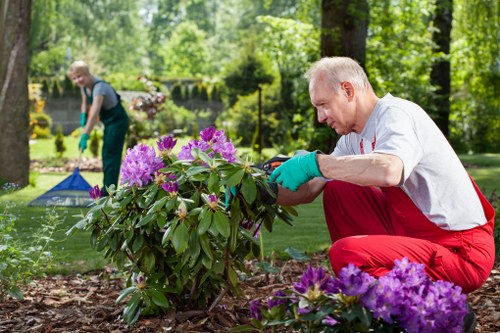
Customers often want to know exactly what they get when booking tree work. While every job is different, a professional crown thinning service usually includes the following elements:
- Site inspection and assessment of the tree’s condition
- Advice on whether thinning is the right option
- Selective removal of small branches across the crown
- Attention to the tree’s natural shape and long-term health
- Safe working methods around buildings, people, and vehicles
- Collection of cuttings and clearing of the work area
- Final review of the appearance and effect of the pruning
Some customers may also request related work at the same time, such as deadwood removal, crown lifting, or light corrective pruning. These services should be discussed in advance so that the overall result remains consistent and suitable for the tree.
If you are unsure whether you need thinning, reduction, or another type of pruning, a local arborist can explain the options in plain language and help you decide what is most appropriate.
How to prepare before the work takes place
Preparing for crown thinning is usually straightforward, but a little planning helps the visit run smoothly. In dense residential streets or busy commercial areas, practical arrangements can make a noticeable difference to how quickly and safely the team can work.
Before the appointment, you may want to:
- Move vehicles away from the work area if possible
- Clear garden furniture, washing lines, or fragile items from beneath the tree
- Let neighbours know if branches may overhang shared boundaries
- Keep pets and children away from the working zone during the visit
- Make sure access gates, side paths, or communal entrances are unlocked if needed
- Point out any known issues such as weak branches, cable routes, or recent damage
If parking is difficult in your street, it can help to mention this when requesting a quotation so the team can plan accordingly. In some cases, access constraints may affect how the job is carried out, especially if equipment must be carried through a property or along a narrow passage.
Simple preparation can save time and reduce stress on the day of the work. It also helps the team focus on the pruning itself rather than on avoidable practical issues.
What affects the price of crown thinning
People often want a clear figure before they book, but the cost of crown thinning depends on several site-specific factors. A proper quotation should reflect the actual work involved rather than a one-size-fits-all assumption.
Typical pricing factors include:
- The size and height of the tree
- How dense the canopy is
- The species and condition of the tree
- Access to the tree and space for equipment
- Whether the tree is near buildings, roads, or power lines
- How much cut material needs removing
- Whether additional services are requested
For example, a tree in a large open garden may be straightforward to access, while one in a narrow back garden behind a terrace can take more time to reach and manage safely. A commercial site may also need extra care to protect customers, staff, or visitors while the work is underway.
The most reliable way to get an accurate price is to request a site-specific quotation. That way, the team can see the tree, understand the access, and recommend a suitable scope of work.
Why choose a local company for crown thinning in New Cross
Practical advantages for nearby customers
There are real benefits to choosing a local company rather than a team that rarely works in the area. Local tree surgeons are usually more familiar with the housing mix, street layouts, and access challenges found around New Cross. They are also more likely to understand the expectations of homeowners, landlords, and businesses who need the work done neatly and with minimal disruption.
That local understanding is especially useful when dealing with mature trees in compact spaces. A good local team knows how to approach pruning in a way that protects the tree, respects the setting, and avoids unnecessary disturbance to neighbours or passers-by.
For customers seeking crown thinning in New Cross, local knowledge can mean better planning, more practical advice, and a smoother overall experience.
Residential and commercial examples
- Front garden trees affecting daylight into terraced homes
- Rear garden trees close to extensions or conservatories
- Trees in communal courtyards serving flats or managed buildings
- Canopies that shade shopfronts, access routes, or seating areas
- Boundary trees near schools, clinics, and community premises
Areas covered around New Cross
While the service is focused on New Cross, many customers also need work carried out in nearby parts of south-east London. A local tree surgery team may regularly help clients in surrounding areas where similar property types and access conditions are common.
Areas often associated with this kind of service include:
- Deptford
- Brockley
- Nunhead
- Peckham
- Lewisham
- Telegraph Hill
- Honor Oak
- Greenwich edges where access is straightforward
If your tree is close to a boundary line or shared rear access, it can be especially helpful to use a team experienced with working in built-up neighbourhoods. This reduces the chance of avoidable delays and helps keep the process respectful for everyone affected.
Frequently asked questions
How do I know if my tree needs thinning rather than reducing?
If the tree is healthy and the main issue is density, shading, or poor airflow, thinning may be more suitable. If the tree has become too tall or spread too far for the site, reduction might be more appropriate. A site visit is the best way to decide.
Will crown thinning make the tree look bare?
It should not. A well-executed thinning job removes selected branches evenly throughout the canopy, leaving the tree looking natural and balanced rather than sparse.
Is crown thinning suitable for all trees?
Not every species or tree condition responds the same way. Some trees tolerate selective pruning well, while others need a more cautious approach. An arborist will consider the species, age, and overall health before recommending the work.
Can this service help with too much shade in my garden?
Yes. One of the main reasons people request crown thinning is to let more light into a garden, patio, or room. It can be particularly helpful in New Cross properties where neighbouring buildings already limit sunlight.
Do I need permission before the work starts?
Some trees may be protected by a Tree Preservation Order or be located within a conservation area. If that applies, the relevant checks should be made before work begins. A professional company can help identify whether this is likely to matter for your tree.
Can crown thinning be done on a commercial property?
Yes. It is commonly requested for business premises, shared courtyards, and managed sites where trees need to be maintained without causing disruption to access or appearance.
What customers often want from the service
Most local customers are looking for a sensible outcome: more light, a tidier canopy, and less day-to-day inconvenience. They do not usually want a tree removed unless that is the only practical option. That is why crown thinning is such a useful service in an area like New Cross, where mature trees can add value and character but also create practical issues if they are left too dense.
The best results come from a measured approach. A good team will listen to what you want to achieve, inspect the tree properly, and explain what can realistically be done. That might mean improving daylight in a rear garden, easing shade from a front boundary tree, or simply making a mature canopy safer and more manageable.
When the job is completed well, the tree should still look like a tree rather than a heavily altered shape. It should feel lighter, healthier, and more suited to the space around it.
Booking crown thinning in New Cross
If you have a tree that is too dense, blocking light, or creating a crowded feel in your garden or business premises, it may be time to arrange an assessment. A local service can check the tree, explain the best approach, and provide a quotation based on the actual site conditions.
Whether you are a homeowner wanting a brighter garden, a landlord maintaining a shared property, or a business owner looking to keep your frontage neat and usable, crown thinning in New Cross can be a practical and worthwhile investment in the way your space looks and works.
Contact us today to request a free quote, discuss your tree’s condition, or book your service now. A quick conversation can help you understand whether thinning is the right choice and what outcome you can expect.