Crown reduction in New Cross
If you are looking for crown reduction in New Cross, you are likely dealing with a tree that has become too large for its surroundings, is shading your home more than you would like, or is starting to feel out of balance with the rest of your garden. Crown reduction is a careful pruning method that reduces the overall size of a tree while keeping its natural shape as intact as possible. For local homeowners, landlords, managing agents, and businesses, it can be the right way to improve light, manage risk, and maintain a tree’s health without removing it altogether.
In a busy part of south-east London like New Cross, trees often have to work harder around small plots, terraced homes, shared gardens, boundary fences, pavements, and commercial frontages. That is where a skilled local arborist can make a real difference. Whether you are trying to create more daylight, reduce wind resistance, keep branches away from a roofline, or simply restore a tree that has outgrown its space, crown reduction should always be done with care, proper judgement, and an understanding of local conditions.
This page explains what the service involves, when it is appropriate, how it works, and what to consider before booking. If you need a tree service that is practical, tidy, and suited to the way properties are arranged in New Cross, read on and request a free quote when you are ready.
What crown reduction actually means
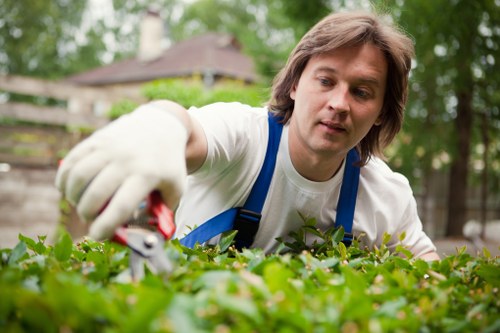
Crown reduction is a type of pruning that reduces the height and spread of a tree by cutting back selected branches to suitable growth points. It is not the same as simply chopping a tree down to size. Done properly, it aims to retain a natural framework, preserve the tree’s character, and remove the parts that are causing problems without over-stressing the tree.
The aim is usually to reduce the overall canopy by a sensible amount, while keeping healthy branch structure and allowing the tree to continue growing in a balanced way. For many species, especially those in domestic gardens, reduction is preferable to more drastic work when a tree is simply too big for its setting but still worth keeping.
People often ask for crown reduction because a tree is blocking light, touching buildings, interfering with aerials, leaning into the road, or becoming difficult to manage in a confined space. In New Cross, where many plots are compact and properties are close together, careful crown work can solve these issues while preserving the green value that mature trees bring to the area.
Why homeowners in New Cross request crown reduction
Local customers usually reach out for crown reduction in New Cross for one of a few practical reasons. A tree may have become too dominant after years of growth, or seasonal shoots may now be casting heavy shade over patios, gardens, and side returns. Some trees grow in awkward positions close to extensions, garages, boundary walls, and conservatories, making regular pruning important for keeping the space usable.
Another common reason is safety. Heavy branches over driveways, rear access paths, or shared walkways may worry residents, especially after strong winds. Reducing the crown can help lessen the leverage on the tree and remove unstable or overextended growth. In a local neighbourhood with narrow streets and close-set properties, that peace of mind matters.
Tree crown reduction in New Cross is also popular with landlords and property managers who want to maintain kerb appeal, reduce complaints about shading, and keep outdoor spaces manageable between tenancies. For businesses, schools, hospitality venues, and small commercial sites, it can help keep entrances clear, improve the appearance of the frontage, and reduce nuisance from overhanging branches.
How the service works
The process normally starts with an on-site assessment. A tree professional will look at the species, age, condition, structure, and location of the tree, as well as the surrounding area. That assessment is important because not every tree responds in the same way to reduction, and the amount of work needed will depend on how the tree is growing and what it is growing near.
Once the tree has been inspected, the arborist can explain what is realistic and what approach is most suitable. Some trees can take a moderate reduction well, while others need a lighter touch. Good practice is to reduce the canopy by cutting back to healthy side growth, rather than leaving awkward stubs or creating a misshapen outline.
On the day, the team will usually set up safe access, protect nearby surfaces where needed, and carry out the pruning methodically. Branches are removed in sections, the tree is shaped carefully, and the work is checked as it progresses to make sure the final result looks balanced. The site is then cleared of debris so the garden, path, or forecourt is left tidy and usable.
What is included in a professional crown reduction

A proper tree crown reduction service is more than a quick trim. It should be carried out by someone who understands tree structure, growth habits, and safe working methods. Customers in New Cross often want to know exactly what is included, and it helps to have a clear picture before booking.
Typical work may include:
- Assessing the tree’s condition and suitability for reduction
- Reducing height and/or spread where appropriate
- Cutting back to suitable growth points for a natural finish
- Removing dead, damaged, rubbing, or crossing branches where needed
- Improving clearance from roofs, fences, walls, and boundaries
- Managing shape and balance after the main cuts are completed
- Collecting and clearing arisings from the work area
- Leaving the site neat, safe, and ready to use again
In some cases, the service may also involve advice on whether a tree would benefit from future maintenance pruning, or whether a lighter reduction cycle would be better than waiting until the canopy becomes oversized again. The best results often come from ongoing, sensible maintenance rather than one-off heavy work.
Why local knowledge matters in New Cross
New Cross has its own mix of housing styles, streets, and access issues, and that affects how tree work needs to be planned. From Victorian and Edwardian terraces to maisonettes, shared rear gardens, school grounds, and commercial premises, not every site offers easy vehicle access or generous space to work in. A local company understands that practical reality and can plan the job accordingly.
Parking can be tight, especially around busier roads and residential terraces. Rear access may be limited by passageways, side returns, locked gates, or neighbouring boundaries. Some trees may sit in enclosed gardens where equipment must be carried by hand. A team used to working in New Cross and nearby parts of south-east London is more likely to anticipate these challenges and organise the work smoothly.
That local familiarity also helps when advising on what level of crown reduction is appropriate. Trees in urban settings often need to be treated with restraint. The right arborist will think about light levels, neighbouring gardens, root space, rooflines, foot traffic, and the long-term health of the tree, not just the immediate problem. Choosing a local service can make the process easier from the first visit to the final tidy-up.
Benefits of crown reduction for local properties
There are many practical advantages to crown reduction when it is done well. For a start, it can make a garden feel brighter and more usable. If a tree has become too heavy overhead, reducing the crown can allow more daylight into the property, which is especially welcome in terraced homes, rear gardens, and lower-light spaces.
It can also improve clearance around structures. Branches that are too close to a roof, extension, garage, fence, or outbuilding can be brought back to a safer distance. This may reduce the risk of rubbing, wind damage, or nuisance from overhanging growth. In some cases, reducing the crown can also help make regular maintenance easier in the long run.
Another benefit is improved tree balance. A well-shaped reduction can redistribute weight, reduce strain on weak branches, and support a healthier form. For mature trees in residential streets and shared spaces, this can be an effective way to keep them attractive and manageable while avoiding unnecessary removal.
Key benefits at a glance
- More natural light reaching the property and garden
- Better clearance from buildings, fences, and driveways
- Reduced wind loading in exposed or open locations
- Improved appearance and a more balanced tree shape
- Less overhang into neighbouring spaces
- Practical management of mature trees in limited spaces
For many local customers, the real value is in keeping a much-loved tree while making it work better for the home or business around it. That balance is often the reason people choose crown reduction in New Cross rather than removal.
When crown reduction is the right option
Not every tree problem needs the same solution. Crown reduction is usually suitable when the tree is healthy enough to tolerate pruning, but its size, shape, or proximity to structures has become an issue. It may be the right choice if a tree is too tall for the space, spreading too far into a garden, or causing excessive shade.
It can also be useful where a tree has developed uneven growth after previous pruning or natural competition for light. In such cases, reduction helps restore symmetry and reduce the risk of heavy branches dominating one side. When done by a competent tree surgeon, the result should look thoughtful and proportionate.
There are times when a different approach is better. For example, if a tree is diseased, structurally unsound, or poorly suited to the site, a professional may advise alternative work, such as selective pruning, crown thinning, formative pruning, or, where necessary, removal. A trustworthy arborist will explain the options clearly and help you choose the safest and most sensible route.
Signs your tree may need attention
Common indicators include branches pressing against a building, a canopy that blocks too much daylight, limbs extending into a neighbour’s space, or a tree that appears top-heavy and difficult to manage. If you are unsure, an inspection is the best first step.
Working with trees in New Cross gardens and commercial spaces
Local tree work is rarely one-size-fits-all. Many New Cross homes have compact gardens, narrow access, and close relationships between boundaries. Crown reduction has to be planned carefully in these settings to avoid unnecessary disruption and to keep good relations with neighbours. A respectful, tidy team makes a big difference, especially where gardens are overlooked or shared.
Commercial properties face different pressures. A business may need a frontage that looks well maintained, safe, and inviting. Overgrown trees can obscure signage, cast heavy shade, drop debris, or obstruct access. In areas with regular footfall, such as retail units, office premises, hospitality venues, and schools, keeping trees in proportion is part of keeping the site practical and presentable.
That is why it helps to use a service that understands both domestic and commercial tree care. The needs of a courtyard garden are not the same as a forecourt or managed estate, yet the principles of safe, measured crown reduction remain the same: thoughtful cuts, good clean-up, and a result that suits the site.
How to prepare for a crown reduction visit
A little preparation can make the visit smoother and quicker. It also helps the crew work safely and efficiently, especially where access is limited or the tree sits close to other structures. Customers often appreciate having a simple checklist before the team arrives.
- Move cars, bikes, and garden furniture away from the work area where possible.
- Unlock access gates if they are needed for entry to rear gardens or side passages.
- Keep pets and children away from the work zone during the visit.
- Check whether shared boundaries or neighbour access may affect the job.
- Point out any delicate items, surface features, or concerns before work starts.
- Tell the team about known issues such as previous storm damage or ongoing tree movement.
If the tree is near a public walkway, driveway, or boundary line, it is sensible to plan ahead so the work can be completed with minimum inconvenience. A local team familiar with New Cross streets and property layouts will usually know how to keep things moving without fuss.
Pricing factors to consider
Customers often want to know what affects the cost of crown reduction. While exact pricing depends on the individual tree and site, there are several practical factors that influence the work involved. Understanding them helps you compare quotations more confidently and see why one tree may be simpler to reduce than another.
Factors that often affect the quote include:
- The size and height of the tree
- The species and how it responds to pruning
- How much reduction is needed
- Access to the tree and space for equipment
- Whether the site has restricted parking or limited entry
- The amount of debris to be removed
- Any extra care needed around buildings, utilities, or neighbouring gardens
In New Cross, access can be a major factor because many properties have tight frontages or rear garden entry through narrow routes. That does not mean the work is difficult, but it does mean a professional needs to factor in the time and care required to complete the job safely and neatly. Request a free quote so the service can be assessed properly rather than estimated in the dark.
Why choose a local company for crown reduction in New Cross
A local company can be easier to work with from start to finish. They are more likely to understand the area’s property styles, the practicalities of parking and access, and the types of trees commonly found in urban gardens and communal spaces. That local experience can save time and reduce disruption.
It also helps when timing is important. If you need a tree reduced before renovation work, ahead of a sale, or to address a seasonal issue like increased shade or storm exposure, a local team can often plan the work efficiently. They are also more likely to appreciate the importance of keeping paths clear, protecting nearby surfaces, and leaving the area tidy.
Most importantly, a local arborist should be able to give straightforward advice based on what is best for the tree and the site, not on a one-size-fits-all approach. That kind of honest, practical service is what most customers want when they book crown reduction in New Cross.
What a good local service should offer
- Clear communication before the visit
- Careful on-site assessment
- Practical advice tailored to your tree and property
- Safe, tidy, methodical work
- Respect for neighbours and shared access
- Clean-up once the pruning is complete
Areas covered around New Cross
Many customers looking for crown reduction are not only in New Cross itself but also in the nearby neighbourhoods where similar property layouts and access challenges are common. A local tree team may cover surrounding parts of south-east London as well, depending on the job and scheduling.
Nearby areas often include places such as Deptford, Lewisham, Brockley, Peckham, Nunhead, Telegraph Hill, Surrey Quays, and parts of Southwark and Greenwich. These locations often share the same need for careful tree work around terraced housing, small gardens, communal spaces, and busy roads.
If your tree is near a boundary, shared wall, or access route, the service can usually be planned with those details in mind. The same is true for commercial and managed sites where access, safety, and timing all matter. If you are unsure whether your property is covered, it is best to contact us today to discuss the location and the work required.
Common tree types that may need crown reduction
Different species respond differently to pruning, so an experienced arborist will always consider the type of tree before making cuts. In domestic and urban settings, some of the most common candidates for reduction are mature ornamental trees, broad-canopy species, and trees that naturally spread wide rather than growing in a tight form.
Examples can include trees with vigorous growth that quickly outpace a small garden, species with heavy limbs that overhang roofs or walkways, and mature trees that have outgrown their original planting position. However, the right approach depends less on the species alone and more on the condition of the individual tree.
A professional will look for signs of stress, poor previous pruning, decay, weak unions, and uneven load before deciding how far to reduce. A careful, balanced reduction is often far better than a severe cut that could damage the tree’s future growth.
Frequently asked questions
How much of the crown can be reduced?
That depends on the tree species, its condition, and what it is growing near. A sensible reduction is usually guided by the tree’s health and the space available. A professional should avoid over-reducing the crown, as this can lead to stress and unwanted regrowth.
Will the tree look natural after reduction?
It should. A properly carried out crown reduction aims to retain the tree’s shape while making it smaller and better balanced. The final result should look purposeful rather than harsh or lopped.
Is crown reduction the same as crown thinning?
No. Crown thinning removes selected branches throughout the canopy to let more light and air through, while crown reduction reduces the overall size of the tree. Sometimes a combination of the two is considered, but they are different operations.
How often does a reduced tree need attention?
That depends on how fast it grows and what it is used for. Some trees may benefit from periodic maintenance, while others can be left longer between visits. A local arborist can suggest a sensible cycle after inspecting the tree.
Do I need permission before reducing a tree?
Sometimes, yes. If the tree is protected by a Tree Preservation Order or located within a conservation area, checks may be needed before work begins. A professional tree service should be able to advise you on the normal process, but customers should never assume permission is unnecessary.
Can crown reduction help with neighbour disputes?
It often can, especially where a tree is overhanging or blocking light on one side. The best approach is to deal with the issue respectfully and carefully, keeping the tree healthy while addressing the practical concern. Good communication and proper pruning usually work better than rushed cutting.
What to expect on the day
When the team arrives, they should confirm the scope of the work, check the site conditions, and make sure access is safe. The tree will then be worked on systematically, with the goal of producing a clean, balanced outcome. Depending on the size of the tree and the level of reduction, the job may take a short time or a substantial part of the day.
Customers usually appreciate knowing that the work area will be left clean at the end. Branches, smaller debris, and other arisings should be dealt with as part of the service, so you are not left with a mess to clear on your own. If you have specific concerns about access, neighbours, or site restrictions, mention them in advance so the job can be planned properly.
For many people, the biggest reassurance is simply knowing the tree is in experienced hands. That is especially true in compact urban gardens where precision matters and where the wrong cut could affect both the tree and the look of the property.
Ready to improve your tree’s shape and manage its size?
If your tree has become too large, too shaded, or too close to buildings, crown reduction in New Cross may be the right solution. It can help you keep a valuable tree while making the space below it more practical, brighter, and easier to enjoy. Whether the property is residential or commercial, the service should be tailored to the tree, the site, and the way the space is used.
To move forward, book your service now or request a free quote. A local tree specialist can assess the crown, talk through the options, and recommend the most suitable approach for your garden, frontage, or managed site. If you want a neat, professional result that respects both the tree and the property, now is a good time to take the next step.
Choose a local team that understands New Cross properties, access limitations, and the practical needs of urban tree care. The right crown reduction can make a noticeable difference to light, safety, and appearance while keeping the tree healthy and attractive for the future.
Final thoughts for local customers
Tree work is always best handled with care, experience, and a clear plan. If you are weighing up your options, a proper assessment will help you decide whether reduction is the right answer or whether a different type of pruning would suit the tree better. Either way, the goal is the same: a safer, tidier, more manageable tree that fits comfortably within its surroundings.
Speak to a local arborist
Contact us today to discuss your tree, ask about access, and get a quote tailored to your property in New Cross or the surrounding area.